
Welding Blog
Guides, articles and comparisons written for practical welding decisions.
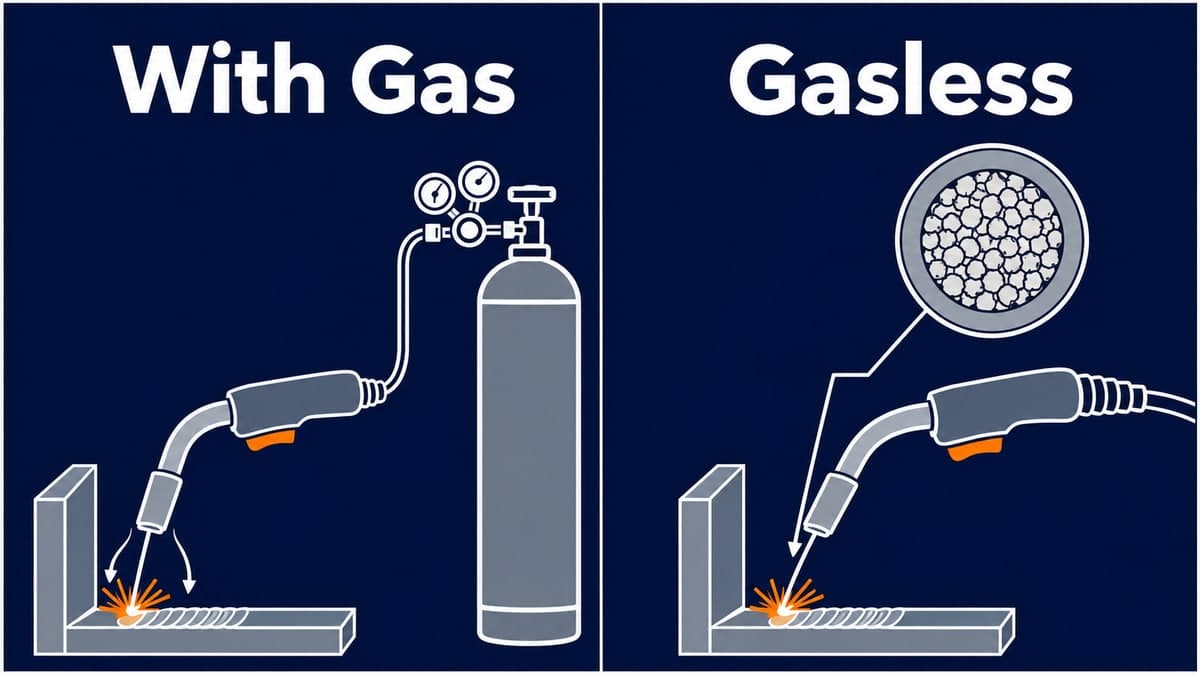
Gasless MIG Welding: Is It Any Good?
Gasless MIG welding uses self-shielded flux-cored wire instead of a gas cylinder. Learn how it works, where it shines, its drawbacks and how to set it up.
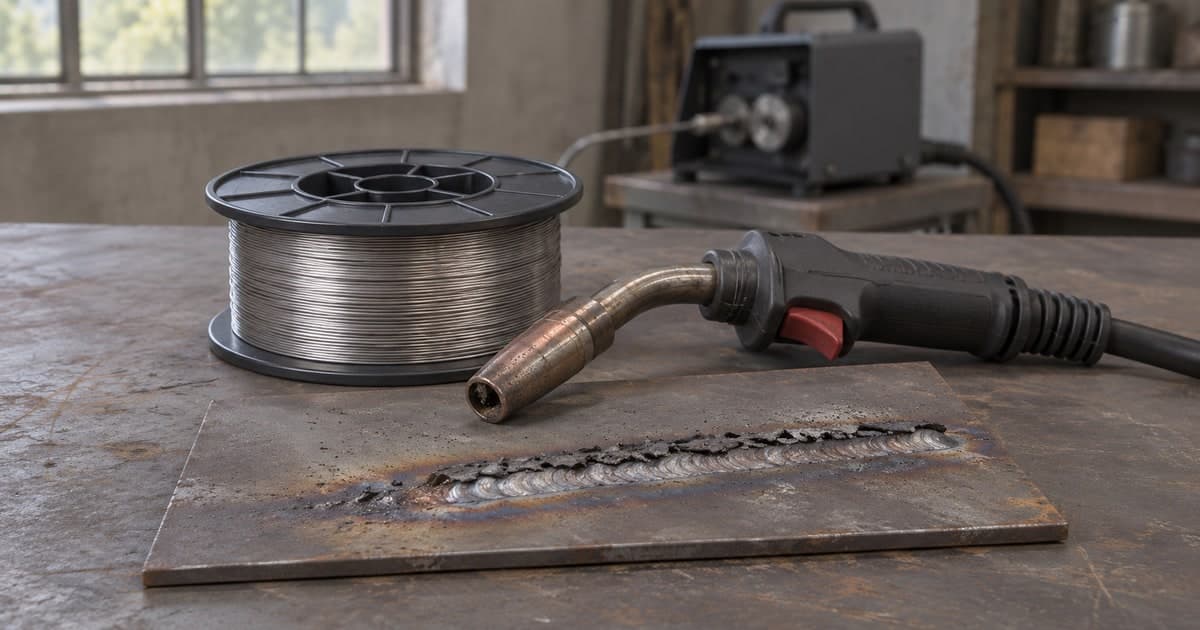
Flux Core Welding Settings and Wire Chart
Flux core welding settings explained: wire diameter, voltage and wire feed, stickout and polarity, plus how to build your own settings chart from test beads.

Best MIG Welder for Beginners
How to choose a beginner MIG welder: duty cycle, transformer vs inverter, input power, output range and the features that matter for learning.

Welding Career Paths and Salary Expectations
Understand the welder salary career path: official US pay data, how skills, certification and industry shape earnings, and routes from shop floor to inspection.
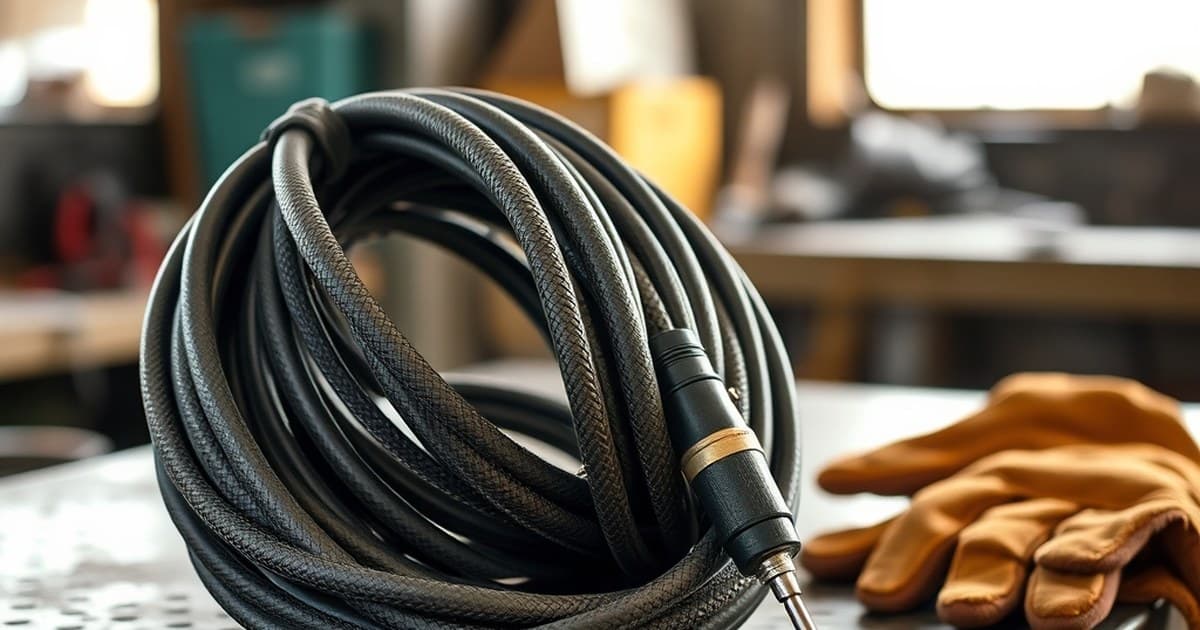
Electrical Safety in Welding: Avoiding Shock Hazards
Welding electrical safety explained: where shock hazards hide in arc welding, and the cable, grounding, and work-practice checks that reduce the risk.
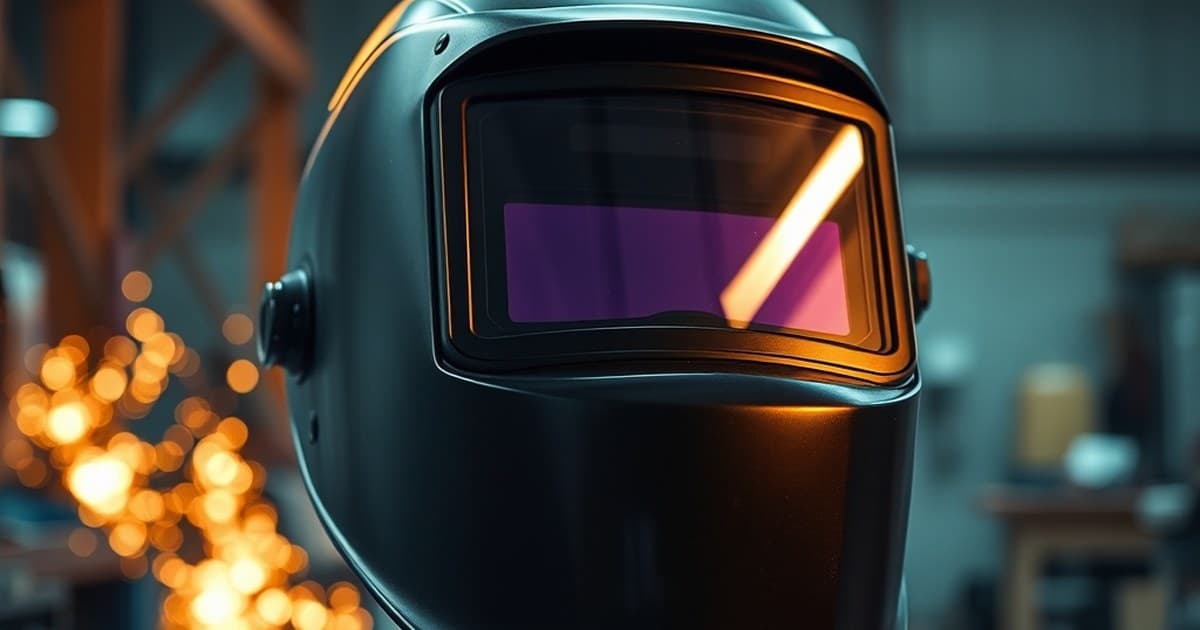
Best Welding Helmets: Auto-Darkening Buying Guide
How to choose the best auto darkening welding helmet: shade range, optical clarity, sensors, viewing area, fit and care, with standards explained plainly.
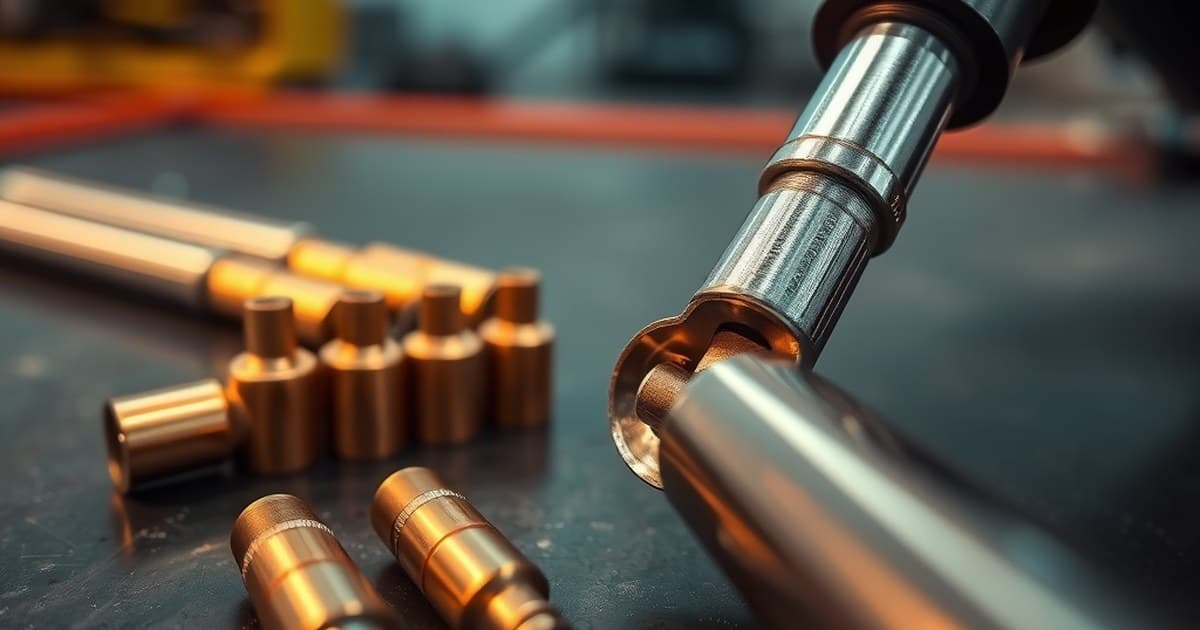
Best MIG Welding Guns and Consumables Guide
A practical MIG welding gun consumables guide: how contact tips, nozzles, diffusers and liners work, how to match them to your job, and when to replace them.
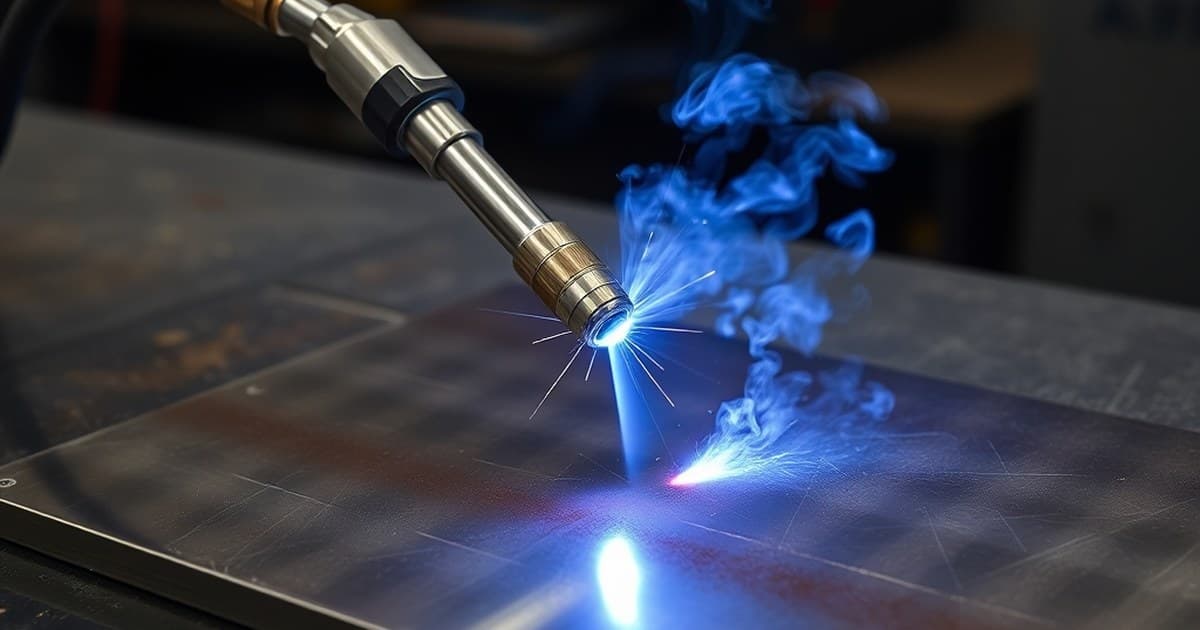
Best TIG Welders for Beginners in 2026
Looking for the best TIG welder for beginners? Learn which features matter, DC vs AC/DC, amperage, arc start, pedals and safety before you buy.

Confined Space Welding Safety Checklist
Use this confined space welding safety checklist to plan entry, test the atmosphere, control fumes and fire, and prepare an effective rescue before work begins.
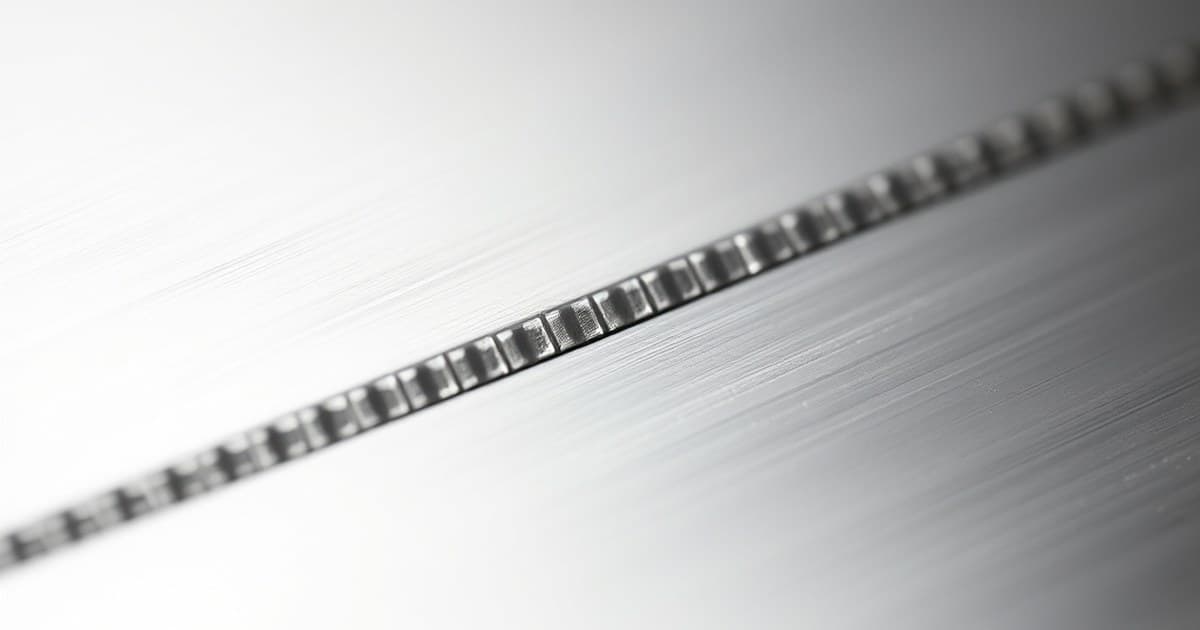
Aluminum TIG Welding: AC Balance Settings Explained
Learn how aluminum TIG welding AC balance controls oxide cleaning versus penetration, which percentages to start with, and how to fix common arc problems.
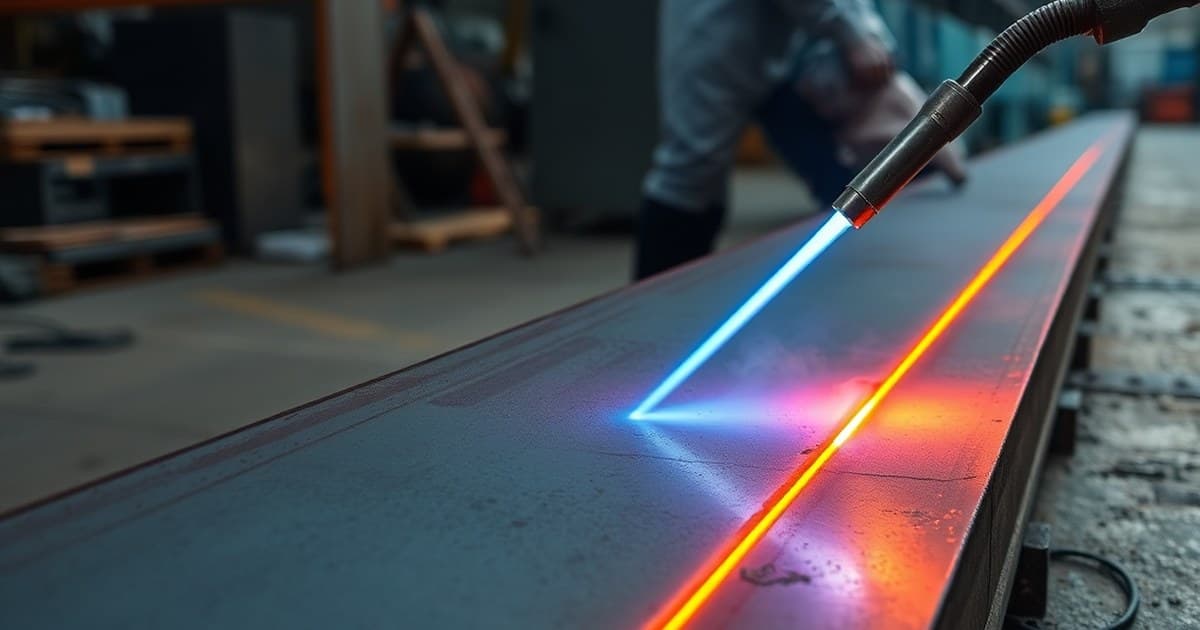
Preheating and Interpass Temperature Control Guide
Learn how preheat and interpass temperature welding limits work: why steel is preheated, how minimums are set, where maximums apply, and how to measure them.
Understanding the Heat-Affected Zone (HAZ) in Welding
Learn what the heat affected zone in welding is, how its microstructure forms, what can go wrong in steel, stainless and aluminium, and how to control it.
Welding Fume Exposure: What the OSHA/EU Limits Mean
Welding fume exposure limits explained: how OSHA and EU limits work for chromium VI, manganese and total fume, and what to do beyond the numbers.
How to Read a Welding Procedure Specification (WPS)
Learn how to read a WPS: what each section means, how essential variables and heat input limits work, and the mistakes that turn good welds into rejects.
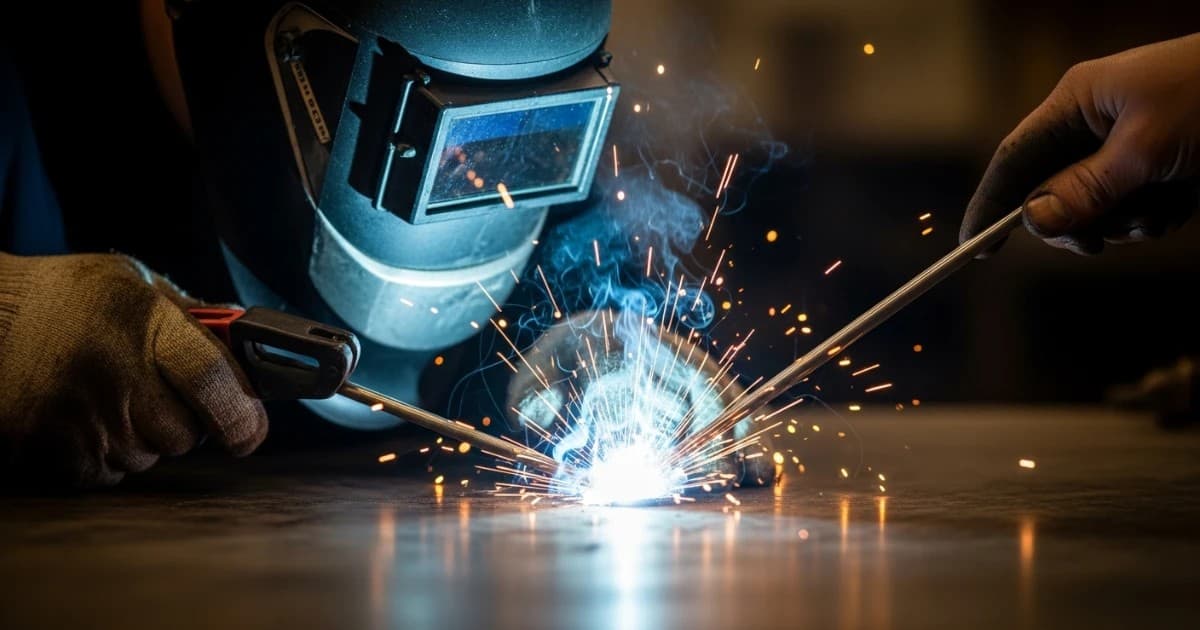
Stick Welding Troubleshooting: Common Defects Explained
A practical troubleshooting guide to common stick welding defects — what causes porosity, undercut, cracking, and more, and how to fix each one.
Best Stick Welding Electrodes for Beginners
A practical guide to the best stick welding electrodes for beginners, covering E6013, E6011, and E7018, plus sizing, polarity, and storage.
Common MIG Welding Defects and How to Fix Them
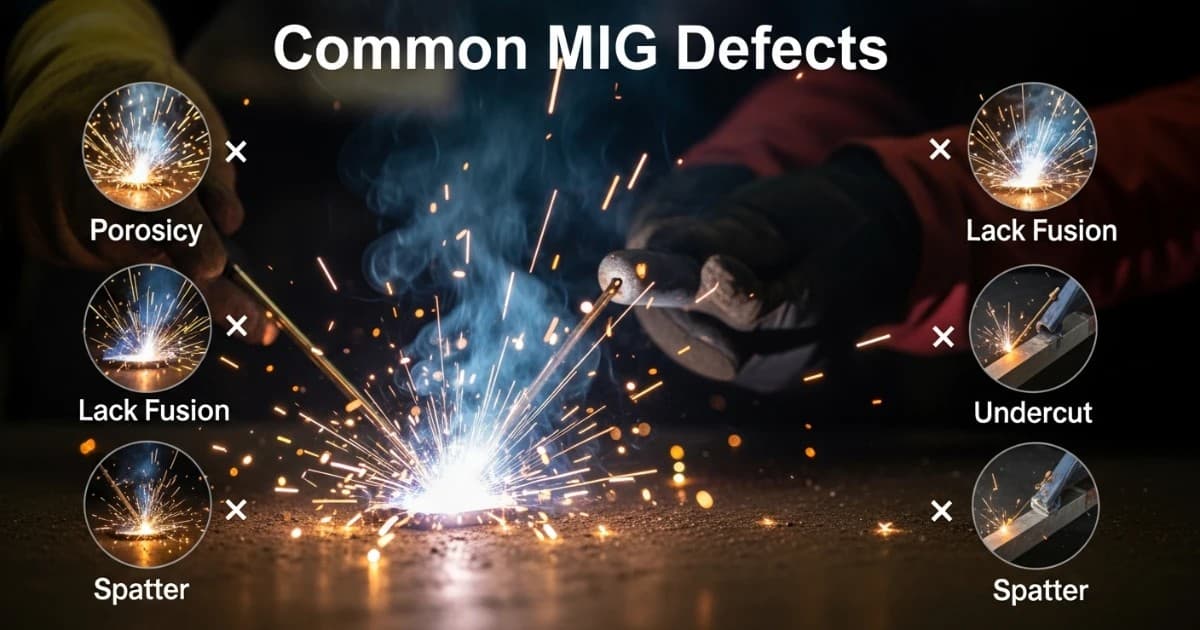
A practical guide to diagnosing common MIG welding defects, from porosity and undercut to cracking and warping, with clear root causes and fixes.
MIG Welding Wire Speed and Voltage Chart Guide
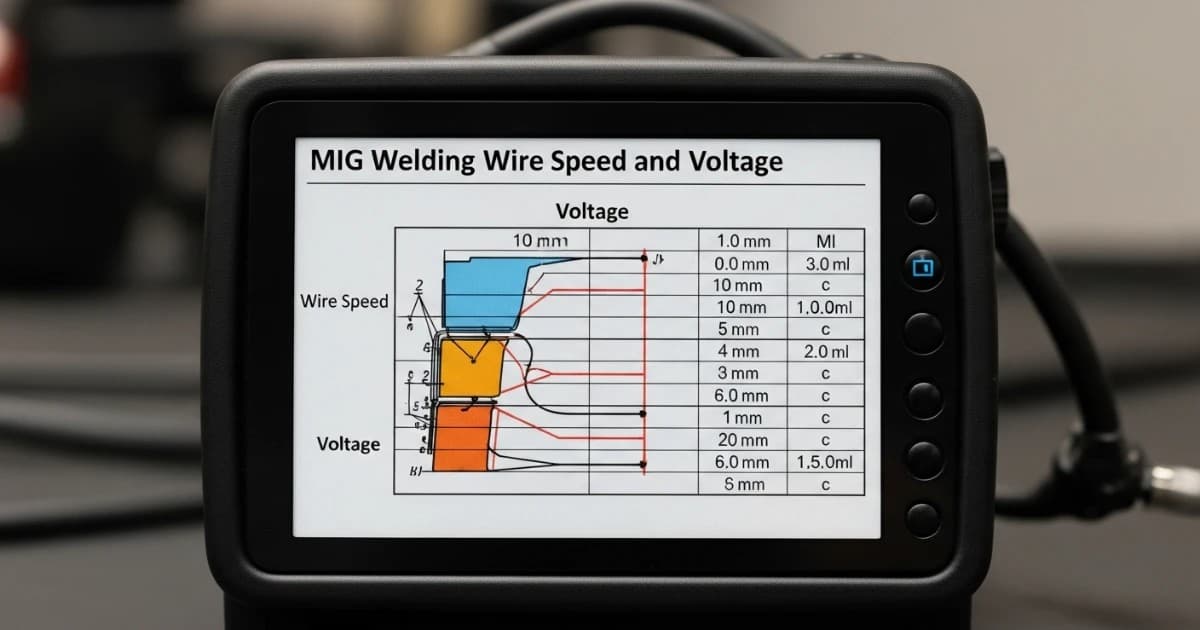
A practical MIG welding wire speed and voltage chart for steel, aluminum, and flux-core wire, with tuning tips and a troubleshooting guide.
Tungsten Electrode Types and Grinding Angles Explained
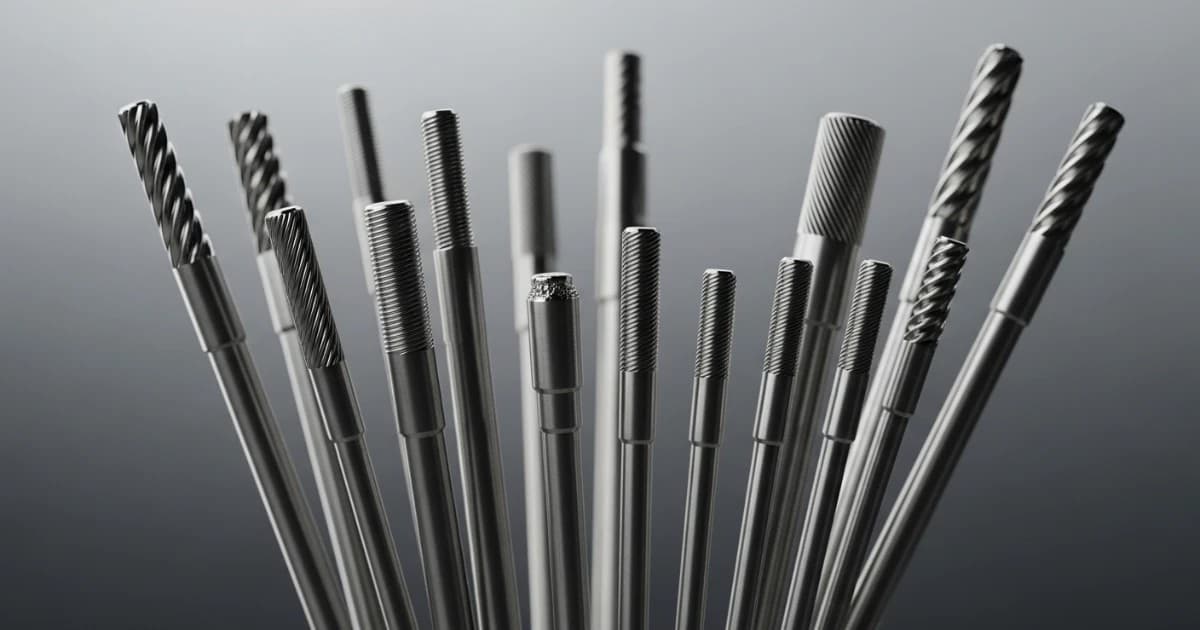
Learn tungsten electrode types, AWS color codes, and the grinding angles that control arc shape, penetration, and weld quality in TIG welding.
TIG Welding Amperage Chart: Settings by Material Thickness
A complete TIG welding amperage chart covering steel, stainless, and aluminum by thickness, plus tungsten, gas flow, and pulse settings.