
Best TIG Welders for Beginners in 2026
Looking for the best TIG welder for beginners? Learn which features matter, DC vs AC/DC, amperage, arc start, pedals and safety before you buy.

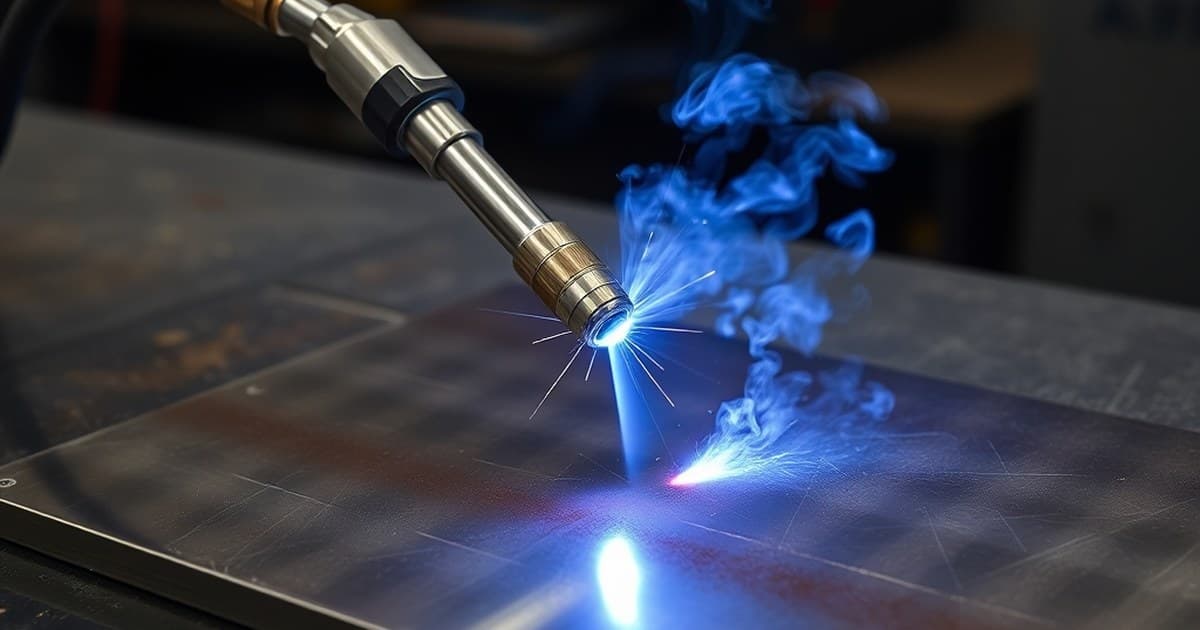
Searching for the best TIG welder for beginners usually ends in a pile of spec sheets that all look the same: amps, duty cycle, "pro-level" arc. The honest answer is that no single machine is best for everyone. The right first machine depends on what you plan to weld, what electrical supply you have, how thick your material is, and how much you are willing to spend on the things around the machine, which often cost as much as the machine itself.
This guide does not rank brands or quote street prices, because both change constantly and a ranking built on them would be out of date within months. Instead, it explains the features that actually decide whether a beginner's machine helps or hinders learning, describes the kinds of machines you will find at different budgets, and lists the mistakes that waste the most money. If you are new to the process itself, the primer on TIG welding covers how the arc, tungsten and filler rod work together.
Why TIG Is a Different Kind of Beginner Purchase
Gas tungsten arc welding (GTAW, usually called TIG) uses a non-consumable tungsten electrode, an inert shielding gas such as argon, and, in most cases, a separate filler rod. The operator controls the torch with one hand, feeds filler with the other, and often controls current with a foot. The process gives excellent control and clean welds, but it is also slower and harder to master than most competing arc processes.
That learning curve changes how you should shop. With a wire-feed machine, a poor machine mostly makes welding noisier or messier. With TIG, a poor machine can make it nearly impossible to tell whether the problem is your technique or your equipment. A stable, forgiving arc and smooth current control are worth more to a beginner than extra maximum amperage.
What a TIG setup actually includes
A TIG "welder" is really a small system. When you price one, count every item:
- The power source (the machine itself)
- A torch with its consumables (collets, collet bodies, cups, tungsten)
- A regulator and flowmeter for the shielding gas, plus a gas cylinder and refill access
- A foot pedal or torch-mounted current control, if not included
- A ground clamp and lead
- A welding helmet with the correct shade, gloves, and flame-resistant clothing
- Filler rod, tungsten electrodes, and practice material
Skipping any of these is the single most common reason a "budget" TIG purchase becomes frustrating. The wider context of what else belongs in a shop is covered in our welding equipment guide.
Start With the Metal, Not the Machine
The first question is not "which brand?" but "what will I weld in the first year?" TIG is used most often on thin sections of stainless steel and on non-ferrous metals such as aluminium, magnesium and copper alloys, although it also welds mild steel very well.
Steel and stainless steel
For carbon steel and stainless steel, a machine that supplies direct current (DC) is all you need. The electrode is normally connected to the negative terminal (often called DCEN), which concentrates heat in the workpiece and keeps the tungsten cooler. A DC-only machine is simpler and cheaper, and it teaches exactly the same hand skills.
Aluminium and magnesium
These metals form a tough oxide layer with a much higher melting point than the metal beneath it. Alternating current helps break up that oxide on each cycle, which is why aluminium is normally welded with AC output. If you know you want to weld aluminium, an AC/DC machine is not an optional upgrade; it is a requirement.
The practical decision
- Only steel, stainless, chromoly, or copper-nickel work in sight: a DC machine is enough and leaves more budget for accessories.
- Any aluminium at all, even occasionally: buy AC/DC from the start. Upgrading later usually means buying a second machine.
- Not sure yet: if you can afford it, AC/DC keeps options open. If you cannot, choose DC and add an AC machine when you have a real project that needs it.
How to Choose the Best TIG Welder for Beginners: The Features That Matter
Once the metal question is settled, a short list of features does most of the work in separating good beginner machines from frustrating ones.
Inverter technology
Older welding machines used heavy transformers operating at mains frequency. Modern machines mostly use inverter circuitry, which converts and switches the power at high frequency. Inverter-based machines are generally lighter, more efficient, and give finer control over output than conventional transformer designs. They also make features such as pulsing and adjustable AC waveforms practical. For a beginner who may carry the machine between a garage and a driveway, weight matters too.
Constant-current output
TIG is a manual process, so the arc length changes constantly as your hand moves. Welding machines for manual processes use a constant-current characteristic: when arc length varies, the voltage changes but the current stays close to the set value. This keeps heat input steadier, which is exactly what you want while learning to hold a consistent arc length. Any machine sold specifically for TIG will have this characteristic; you do not need to hunt for it, but it explains why a wire-feed machine cannot simply be adapted for TIG.
Arc starting: high-frequency vs lift arc
How the arc starts matters more than most spec sheets suggest.
- High-frequency (HF) start uses a high-frequency generator to jump the gap between tungsten and work without touching. It is clean and convenient, and it protects the tungsten tip from contamination. The trade-off is electrical noise that can disturb nearby electronics.
- Lift arc (also called touch start) has you touch the tungsten to the work at low current and then lift away to establish the arc. It avoids high-frequency interference and is common on cheaper or portable machines, but it takes practice to avoid dipping the tungsten into the puddle.
For a shared garage with computers, a router, or sensitive equipment nearby, lift arc is less disruptive. For a dedicated shop, many beginners find HF start easier and less wasteful of tungsten. Either can be a good choice; the worst is a machine with neither and no clear way to start the arc cleanly.
Current control: foot pedal or torch switch
Foot-pedal control lets you ramp heat up and down while your hands stay busy, and it is the standard way most instructors teach. It is especially useful on thin material, where the plate heats quickly as you travel and you want to back off at the end of the bead.
A fingertip or torch-mounted control can work in positions where a pedal is awkward, but many beginners find a pedal gives smoother control. Check whether a pedal is included and whether the machine supports the type you want. A machine that only offers an on/off torch switch makes thin-material work much harder.
Amperage range
More is not automatically better. What matters is that the machine is stable and controllable at the low end, because thin material needs low current. Higher maximum current only matters if you will weld thicker sections.
As a rough rule of thumb, a machine in the 150 to 200 A class covers most beginner and hobby work: sheet steel, tubing, brackets, and light aluminium fabrication. Thick plate or heavy aluminium sections need more current, but those are rarely the first projects. Always check the output rating against the process: a machine's stick rating and TIG rating are often different.
Duty cycle
Duty cycle describes how much of a given time period a machine can deliver a stated current before it needs to cool. It is specified at particular currents and conditions, so a headline number can be misleading. For practice welding on short seams, duty cycle is rarely the limiting factor. Look for the figure at the amperage you will actually use, and prefer machines that state the test conditions clearly.
Input power and portability
Many compact machines accept either 120 V or 240 V mains supply, sometimes with automatic detection. This is useful, but check what the machine delivers on each supply. A 120 V connection typically limits the maximum available output, and a household circuit already loaded with other equipment can trip. If your garage has a 240 V outlet, say so before you shop, because it widens your options.
Pulse, AC balance and other advanced controls
Advanced features are useful but are not what a beginner should pay extra for first:
- Pulse alternates between a high and a low current. It can control heat input on thin material and help with positioning, but it adds settings to learn.
- AC balance and frequency (on AC machines) adjust the proportion of cleaning action versus penetration. They matter when you progress to aluminium, and the principles are explained in more detail in our article on aluminium TIG settings.
- Pre-flow, post-flow, up-slope and down-slope are timing controls that protect the tungsten and weld pool at start and finish. Post-flow, in particular, is essential, because it keeps gas flowing while the electrode and puddle cool.
If a machine offers post-flow adjustment and a stable low-amp arc, it already covers the essentials.
Types of Machines You Will Find
Rather than naming models that will change, it helps to understand the categories.
| Category | Typical output | Best for | Main trade-off |
|---|---|---|---|
| Compact DC lift-arc inverter | DC only, often dual input voltage | Learning on steel and stainless, light home use | No AC for aluminium; fewer controls |
| DC TIG with HF start and pedal | DC only | Dedicated steel and stainless practice | Cannot weld aluminium |
| Entry-level AC/DC inverter | AC and DC | Learners who want steel and aluminium | More controls to learn; higher cost |
| Multi-process machine | TIG plus stick, sometimes MIG | Shared workshop, one machine for several jobs | TIG performance may be a compromise |
| Industrial AC/DC | High output, water-cooled option | Production and heavy section work | Cost and size beyond beginner needs |
Multi-process machines: convenient, with caveats
A single unit that does TIG, stick and wire welding is appealing when space and money are tight. These can be a reasonable choice, but TIG is often the weakest function on the cheapest ones. Look for adjustable post-flow, a pedal input, and a stable low-amp arc before accepting that a multi-process machine will replace a dedicated TIG unit.
Buying used
A used industrial machine can be a strong value for a beginner who has the budget for an AC/DC unit, because well-built machines last. The risks are damaged cables, worn connectors, and missing manuals or accessories. Inspect the machine under power if possible, check that the pedal and torch connect properly, and make sure you can still obtain consumables for the torch.
Accessories That Matter as Much as the Machine
Torch and consumables
A torch that is comfortable and has a good selection of cups and collets makes practice easier. Gas lenses can improve shielding and allow a longer tungsten stick-out, but they are an add-on, not a requirement for early practice. Air-cooled torches are adequate for typical beginner currents; water cooling is for sustained high-current work.
Shielding gas
Argon is the most commonly used shielding gas for TIG because it supports a stable arc and gives good results on a wide range of materials. Argon-helium mixtures are used when more heat input is needed, such as on thicker or high-conductivity sections, but pure argon is the normal starting point. Plan for a cylinder and a reliable local refill supplier; running out of gas mid-practice is a common nuisance.
Tungsten electrodes
Tungsten type affects arc stability and starting. Choices include pure, thoriated, ceriated, lanthanated and zirconiated electrodes, each with different traditional uses. Thoriated electrodes contain a small amount of radioactive thorium, which is why many shops prefer alternatives; check current guidance and local rules before buying and grinding them. Whatever you choose, learn to prepare the tip consistently, because a contaminated or poorly shaped tungsten is a common cause of an unstable arc.
Helmet and personal protective equipment
TIG gives off intense ultraviolet and visible light despite the lack of spatter. Use an auto-darkening helmet rated for TIG at low current, because some cheaper lenses do not trigger reliably on a low-amp arc. Flame-resistant long sleeves, leather gloves designed for TIG (thinner for feel), and sturdy footwear complete the basics.
Safety Before You Strike an Arc
Regulators identify the main health hazards of welding as exposure to metal fumes and ultraviolet radiation, along with safety hazards such as burns, eye damage, electrical shock, cuts and crushed fingers or toes. Many of these can be controlled through proper work practices and protective equipment.
For a beginner, that translates into some concrete habits:
- Ventilate. Even though TIG produces less visible smoke than some processes, welding on stainless steel, coated metals or contaminated surfaces can generate hazardous fumes. Use local exhaust or good general ventilation, and keep your head out of the plume.
- Clean the work. Remove oil, paint, plating and solvents before welding. Never weld near degreasers or chlorinated solvents, because the arc can turn their vapours into hazardous compounds.
- Protect your skin and eyes. TIG arcs can burn exposed skin and cause arc-eye. Cover forearms and neck.
- Mind the electrical setup. Check cables, use dry gloves and a dry floor, and make sure the supply circuit is suitable for the machine.
- Secure the cylinder. Gas cylinders must be chained or strapped upright and capped when moved.
- Control fire risk. Clear combustible material from the area and keep an extinguisher within reach.
Welding on stainless steel deserves a specific note. Hexavalent chromium can form when welding stainless steel and some other alloys, and regulators have dedicated standards for it. If you plan to weld stainless regularly, read the relevant guidance for your region and consider stronger fume control than a simple open garage door. This is general information, not a substitute for a workplace risk assessment or local regulations.
Common Beginner Mistakes When Buying
Buying for the maximum amperage
A 300 A machine does not make learning easier. If it is unstable at 10 to 20 A, you will struggle on thin material, which is where most beginners start.
Choosing DC and discovering aluminium later
This is the most expensive mistake on the list. If aluminium is even a possibility in the first couple of years, price an AC/DC machine now.
Ignoring consumable availability
Proprietary torch parts that are hard to find turn a cheap machine into an expensive one. Standard torch styles with widely available collets, cups and tungsten are easier to live with.
Forgetting gas and gear costs
Cylinder deposits, regulators, filler rod, tungsten and PPE can add significantly to the machine price. Budget for them at the start, not after.
Expecting the machine to fix technique
A good machine makes practice more repeatable, but TIG skill comes from hours of controlled practice: keeping a short arc, feeding filler at the leading edge of the pool, and finishing with proper post-flow. A better machine will not replace that.
A Simple Decision Framework
Use these questions in order:
- What metals? Steel and stainless only: DC. Any aluminium: AC/DC.
- What thickness? Mostly thin to medium sheet and tube: a 150 to 200 A class machine is usually adequate.
- What power supply? Check your outlet before you shop. Dual-voltage machines help if you are unsure.
- How will you start the arc? HF start for ease; lift arc for noise-sensitive environments.
- How will you control current? Prefer a machine that supports a foot pedal.
- What is the whole budget? Include gas, torch parts, helmet and practice material.
- Will you move it? Prefer lighter inverter designs if portability matters.
Two hypothetical scenarios
These are illustrative examples, not case studies.
Hypothetical A: A hobbyist wants to build small steel brackets and repair a roll cage tube. They only have a 120 V outlet. A compact DC inverter with lift arc, post-flow and a pedal input is a sensible fit, and the savings go into good PPE and practice material.
Hypothetical B: A student wants to take a fabrication course and eventually weld aluminium boat parts. A modest AC/DC inverter with HF start and a pedal is a better long-term choice, even if it means fewer accessories at first. Aluminium requires AC, so a DC-only machine would be a dead end.
Learning to Use What You Buy
A beginner's first weeks matter more than the machine's last few features. Practice in a structured order:
- Strike and hold an arc without filler on clean mild steel.
- Run a bead with a steady travel speed and short arc.
- Add filler and learn to dip it at the leading edge of the puddle.
- Practice fillet and butt joints on thicker plate before thin sheet.
- Move to stainless or aluminium once steel is repeatable.
Take a short course if you can. An instructor will spot problems such as inconsistent arc length or poor torch angle faster than any spec sheet can. Keep notes on settings and results so you can see what a change in current or gas flow actually does.
Conclusion
The best TIG welder for beginners is the one that matches the metals you will weld, runs reliably on the power you have, starts the arc cleanly, and gives smooth control at low amperage. For many learners that means a compact inverter DC machine with a pedal; for anyone who expects to weld aluminium, it means AC/DC from the start. Spend the rest of the budget on a good helmet, protective gear, gas and practice material, because those decide how quickly you improve. Choose for the work you actually plan to do, protect your lungs and eyes from day one, and give yourself time to learn the process before chasing extra features.
Frequently asked questions
What is the best TIG welder for beginners?
There is no single best model. The best choice is a machine that matches your metals, runs on your available power supply, starts the arc cleanly, and is stable at low current. DC-only machines suit steel and stainless, while AC/DC machines are needed for aluminium.
Do I need an AC/DC TIG welder to start?
Only if you expect to weld aluminium or magnesium. Those metals are normally welded with alternating current. For steel and stainless steel, a DC machine is sufficient and usually cheaper.
How many amps do I need for a beginner TIG welder?
A machine in roughly the 150 to 200 A class covers most beginner work on sheet, tube and light fabrication. Low-end stability matters more than the maximum, because thin material needs low current.
Is high-frequency start better than lift arc?
Neither is universally better. High-frequency start is convenient and keeps the tungsten clean, but it can cause electrical interference. Lift arc avoids that interference but requires more care to avoid contaminating the tungsten.
Do I need a foot pedal?
A pedal is strongly recommended because it lets you adjust heat while welding, which helps with thin material and with finishing a bead. Some machines only offer a torch switch, which limits control, so check what is included.
Can a multi-process machine replace a dedicated TIG welder?
It can for light use, and it is convenient in a small shop. However, TIG performance on cheaper multi-process units can be a compromise, so check for adjustable post-flow, pedal support and a stable low-amp arc.
What shielding gas do I use for TIG welding?
Argon is the most commonly used shielding gas for TIG welding and is the normal choice for beginners. Argon-helium mixtures are sometimes used when more heat is needed, usually on thicker sections.
Is a used TIG welder a good idea for a beginner?
It can be, especially for older industrial AC/DC machines, if you can inspect it under power. Check the cables, connectors, pedal, torch and the availability of consumables and manuals before buying.
Is TIG welding safe to do at home?
It can be done safely with the right setup, but it involves ultraviolet radiation, electrical hazards, fumes and fire risk. Use proper eye and skin protection, ventilation, clean material and secured gas cylinders, and follow local regulations.
Is TIG harder to learn than MIG or stick welding?
Generally yes. TIG requires coordinating torch, filler and current control, and it is slower than most other arc processes. Many people find it rewarding because of the control and weld quality it allows.
References
- Gas tungsten arc welding - Wikipedia, accessed 2026-10-30. Process principles, shielding gases, polarity and electrodes.
- Welding power supply - Wikipedia, accessed 2026-10-30. Constant-current characteristics, transformer and inverter designs.
- What is Tungsten Inert Gas (GTAW or TIG) Welding? - TWI, 1995. Process characteristics, power sources, arc starting, electrodes and shielding gases.
- Equipment for Tungsten Inert Gas (TIG, GTA) Welding - TWI, 1996. Power sources, torches, backing systems and protective clothing.
- Welding, Cutting, and Brazing - Overview - OSHA, accessed 2026-10-30. Applicable standards and resources.
- Welding, Cutting, and Brazing - Hazards and Solutions - OSHA, accessed 2026-10-30. Fume, radiation and safety hazards and controls.