
TIG Welding Filler Rods Guide
A practical TIG filler rod guide: how to read AWS codes and choose ER70S-2, ER308L, ER4043 or ER5356 by base metal, diameter, storage and technique.

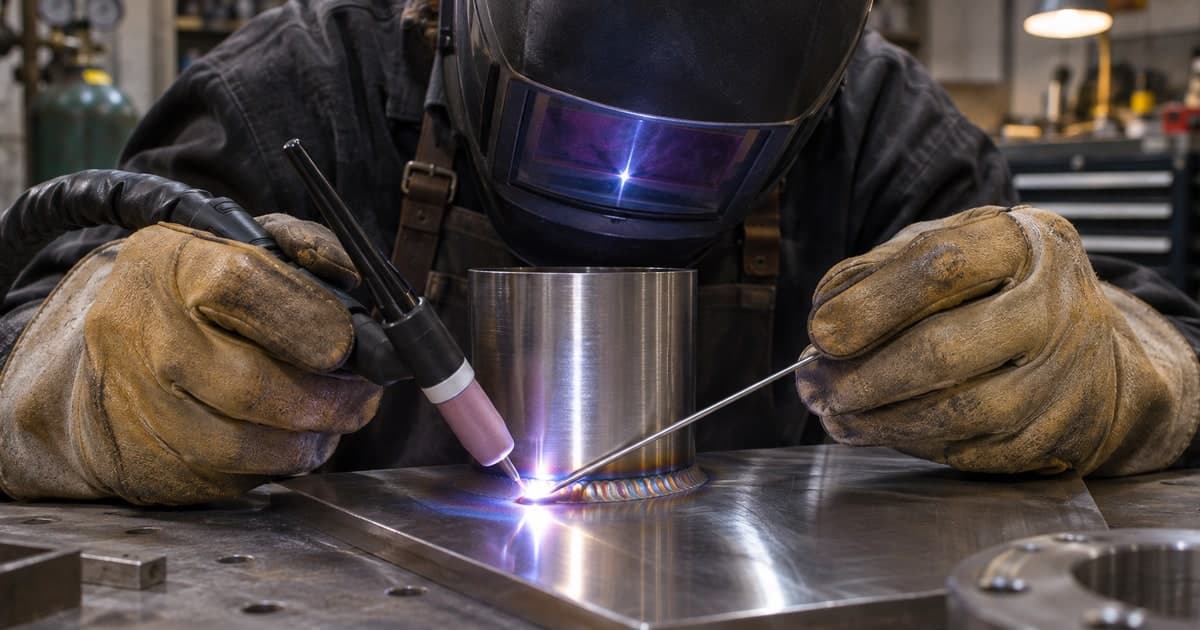
Picking the wrong rod is one of the quietest ways to ruin a TIG weld. The bead can look clean and still crack, rust, discolour or fail a bend test because the filler was never suited to the base metal. This TIG filler rod guide explains how to read the labels on a rod tube, how to match common rods to carbon steel, stainless steel and aluminium, and how to handle the rod once you have it.
TIG (GTAW) is different from MIG in one important way: the electrode does not melt, so the filler is a separate decision that you make and feed by hand. That freedom is also the trap. Nothing in the process forces the rod to match the job, so the choice has to come from you.
What a TIG Filler Rod Actually Does
The rod supplies metal to fill the joint, but it also sets the chemistry of the finished weld. When the arc melts the base metal and the rod together, the result is a mixture. Elements in the filler, such as silicon and manganese in steel or magnesium and silicon in aluminium, directly shape strength, corrosion resistance and crack resistance.
A few jobs the filler does besides filling the gap:
- It controls deoxidation, helping the weld pool resist porosity from small amounts of oxygen or surface contamination.
- It adjusts strength and ductility compared with the base metal.
- It can make a difficult base metal easier to weld, as some aluminium fillers do by reducing hot cracking.
- It sets how the weld reacts to later processes such as anodizing, galvanizing or heat treatment.
Autogenous TIG welding, which uses no filler at all, is common on thin stainless and some sheet work. Most structural, repair and thicker-section TIG welding needs a rod.
How to Read a TIG Filler Rod Classification
The code on the tube is not a brand name. It is a standardised classification published by a standards body, so two rods from different makers with the same code should meet the same chemistry limits.
Take ER70S-2 as an example:
- E means it can be used as an electrode (arc welding).
- R means it can also be used as a rod, which is the form TIG uses.
- 70 is the minimum tensile strength of the deposited weld metal in ksi (70,000 psi) for this family.
- S means solid wire.
- 2 identifies the chemistry variant, here a steel with several deoxidisers.
Stainless and aluminium codes work differently. In ER308L, the digits refer to the alloy family and the L means low carbon. In ER4043 and ER5356, the four digits are the aluminium alloy designation itself. The three specifications you will meet most often are:
| Base metal | Standard family | Typical codes |
|---|---|---|
| Carbon and low-alloy steel | AWS A5.18 (carbon steel), A5.28 (low-alloy) | ER70S-2, ER70S-6, ER80S-B2 |
| Stainless steel | AWS A5.9 | ER308L, ER309L, ER316L |
| Aluminium | AWS A5.10 | ER4043, ER5356, ER4047 |
Always confirm the current edition and exact wording of the standard that governs your work, because project specifications often name a particular edition.
Matching Filler to Base Metal
The first rule is simple: start from the base metal, then check the code. The second rule is that "matching" does not always mean identical. For stainless steel and aluminium in particular, the best rod is often a slightly different alloy that handles dilution and cracking better.
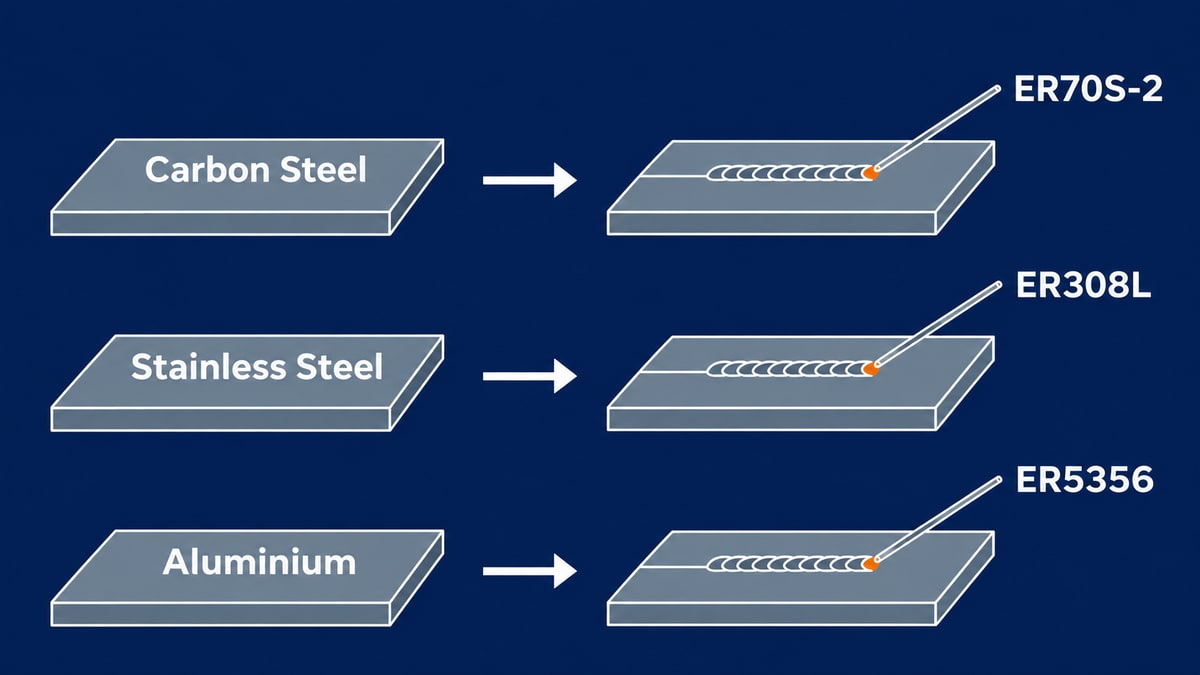
Figure 1: Start from the base metal group, then confirm the exact rod against service conditions and the governing procedure.
Carbon steel: ER70S-2 and ER70S-6
For mild and low-carbon structural steel, the two rods you will see most are ER70S-2 and ER70S-6. Both are copper-coated solid rods designed for argon shielding.
ER70S-2 carries a group of deoxidisers and is often chosen when the surface is not perfect or when you want a very clean, low-spatter pool. ER70S-6 has higher silicon and manganese, which makes it tolerant of light mill scale and gives a wetter, flatter bead, though it can be a little less ductile in some applications. Neither rod makes up for a dirty joint, so grind to bright metal wherever the weld matters.
If the drawing or procedure names a specific classification, use that one. Do not swap between the two without checking the welding procedure.
Stainless steel: ER308L, ER309L and ER316L
Austenitic stainless steels such as 304 and 316 are normally welded with a filler whose composition is close to the base metal, with the carbon kept low.
- ER308L is the usual choice for 304 and 304L.
- ER316L is the usual choice for 316 and 316L, because it carries molybdenum for better pitting resistance.
- ER309L is a higher-alloy rod commonly used for joining stainless to carbon steel and for dissimilar joints, because it tolerates dilution from the carbon steel side.
The L suffix matters because carbon can combine with chromium near the weld and reduce corrosion resistance in a process called sensitisation. Low-carbon grades are generally preferred where the best corrosion performance is needed. Our guide on 304 vs 316 stainless welding goes deeper into how the two base metals behave and why the molybdenum difference changes the filler choice.
For stainless TIG work, the back-purge and heat tint matter at least as much as the rod. The filler cannot fix an oxidised root.
Aluminium: ER4043 and ER5356
Aluminium is where filler choice changes the result most visibly. Two alloys cover the majority of general work:
- ER4043 contains silicon. It flows easily, wets well and is less prone to hot cracking in many common alloys, notably the 6xxx series such as 6061. The weld tends to turn dark grey after anodizing.
- ER5356 contains magnesium. It generally gives higher as-welded strength and a better colour match after anodizing, but it is not the right pick for every service. It is typically avoided where sustained high temperatures are expected because of the risk of stress-corrosion cracking in magnesium-rich welds.
Crack sensitivity depends on the pairing of base alloy and filler, not on the filler alone. Published weldability tables for aluminium rate each combination, and a quick look at one before you buy rod can save a failed weld. For the machine settings that go with these rods, see aluminum tig welding ac balance.
Other rods you may meet
Chromoly (4130) is often welded with a low-alloy rod such as ER80S-D2 or ER70S-2 depending on the specification. Copper alloys, nickel alloys and titanium each have their own rod families and often their own shielding and purge requirements. These are outside the scope of a general guide, and the base-metal supplier or procedure should drive the choice.
Choosing Rod Diameter
Diameter follows base metal thickness and amperage, not personal preference. A rod that is too thick chills the pool and forces you to push amperage higher. A rod that is too thin melts before it reaches the joint and gets hard to control.
Common TIG rod diameters run from about 1.0 mm (0.040 in) up to 4.0 mm (5/32 in). As a general starting point:
- Thin sheet: small diameters such as 1.0 to 1.6 mm.
- General fabrication: 1.6 to 2.4 mm.
- Thicker plate or multipass work: 2.4 to 3.2 mm or larger.
As a rough guide, the rod is usually similar to or slightly smaller than the thickness of the metal being welded, then adjusted by feel. The amperage you set also tells you how fast the pool needs feeding, so pair this decision with a settings reference such as our tig welding amperage chart rather than guessing both at once.
Feeding the Rod Correctly
Good rod technique is mostly about keeping the hot end inside the gas shield. When you pull the rod out of the argon envelope, the hot tip oxidises, and the oxide goes straight into the next dip.
A reliable routine:
- Establish the pool first, then bring the rod in at a low angle, around 15 degrees to the work.
- Dab the rod into the leading edge of the pool, not into the arc itself.
- Pull it back just far enough to stay inside the shield.
- Move the torch forward and repeat at a steady rhythm.
Three habits cause most visible defects:
- Dipping the tungsten into the pool, which contaminates the weld and the electrode.
- Melting the rod in the arc instead of in the pool, which sprays droplets and gives uneven fusion.
- Pulling the rod out of the gas between dips, which leaves black oxide on the tip.
For thin material, laying the rod in the joint and fusing it as you advance can work well. For multipass joints, keep the pool steady and add enough metal that the bead is not concave.
Storage, Cleaning and Handling
Filler rods look tough, but they fail from small surface problems. Moisture, oil, fingerprints and dust all travel into the pool.
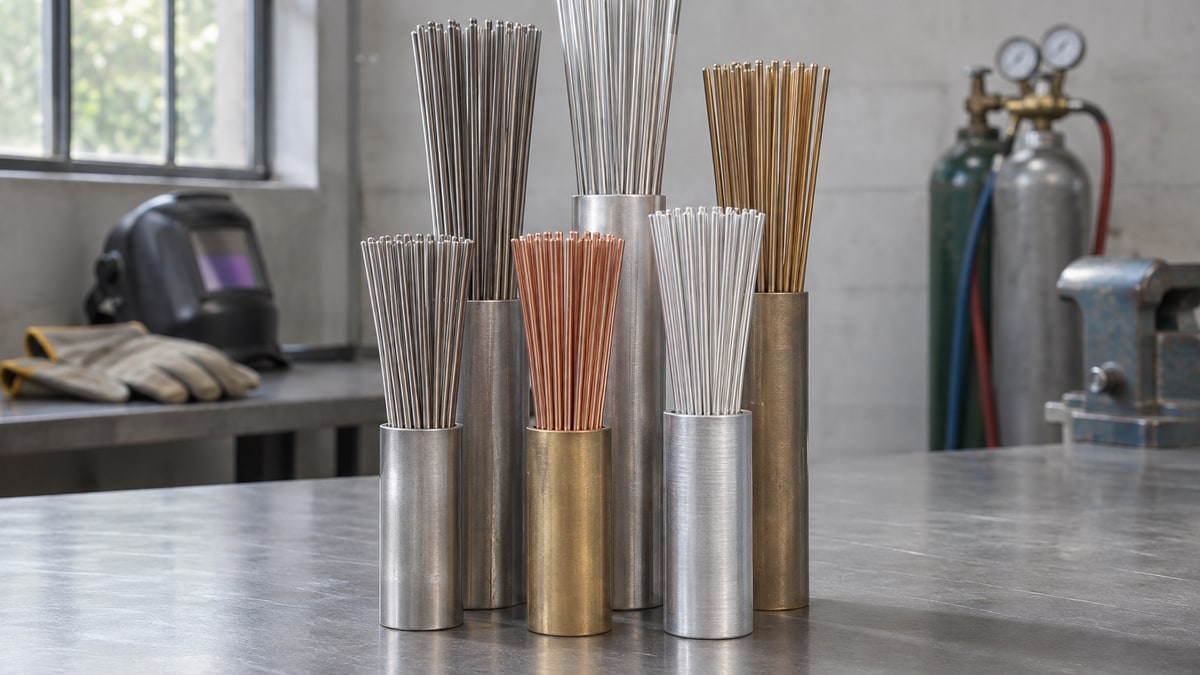
Figure 2: Keeping each alloy in its own holder or tube, and clearly marked, prevents mixed-up rods at the bench.
Practical habits that pay off:
- Keep rods in their original tubes with the classification visible. Loose rods of different alloys look almost identical.
- Mark the cut ends if you shorten a rod, so the identification is not lost.
- Wipe aluminium and stainless rods with a clean lint-free cloth and a suitable solvent if they look dirty, and let the solvent dry fully.
- Store in a dry place. Aluminium and steel rods both pick up surface moisture and corrosion in damp conditions.
- Never mix stainless and carbon steel rods on the same bench without clear separation, since carbon steel contamination on stainless can cause rust spots later.
Common Mistakes When Choosing a TIG Rod
- Choosing by price or availability instead of base metal and service conditions.
- Using ER4043 where anodizing is planned, then finding a dark weld line afterwards.
- Using ER308L on every stainless job, including dissimilar joints that need a higher-alloy rod.
- Reusing leftover rod stubs without checking the code.
- Ignoring the procedure, which may require a specific classification regardless of what seems to work.
- Skipping surface preparation and expecting the filler to compensate.
Treat any weld that has a safety, pressure or structural role as a procedure-controlled job. For those, follow the written welding procedure and the filler named in it, and do not substitute on the day. If you are unsure how that document is organised, our explanation of what is TIG welding covers the process basics that procedures build on.
Quick Selection Summary
| Situation | Typical rod to consider |
|---|---|
| Mild steel, general fabrication | ER70S-2 or ER70S-6 |
| 304 / 304L stainless | ER308L |
| 316 / 316L stainless | ER316L |
| Stainless to carbon steel | ER309L |
| 6061 aluminium, crack-prone joint | ER4043 |
| 5xxx aluminium or anodized finish | ER5356 |
This table is a starting point, not a substitute for the governing procedure or the base metal supplier's recommendation.
Frequently asked questions
What is a TIG filler rod?
A TIG filler rod is a straight length of bare wire fed by hand into the weld pool. It adds metal to the joint and contributes alloying elements that determine the strength and corrosion behaviour of the weld.
Which TIG filler rod is best for mild steel?
ER70S-2 and ER70S-6 are the two most common choices for carbon steel. ER70S-2 is often used where a clean, low-spatter pool is wanted. ER70S-6 tolerates light mill scale better. Follow the procedure if one is specified.
What does the "L" in ER308L mean?
The L stands for low carbon. Keeping carbon low reduces the risk of chromium carbide formation near the weld, which helps preserve corrosion resistance in austenitic stainless steel.
Can I use ER308L on 316 stainless?
It can be acceptable for some non-critical joints, but it lacks the molybdenum found in 316. Where corrosion resistance matters, ER316L is the more appropriate match.
What rod should I use to weld stainless to mild steel?
ER309L is the rod commonly used for dissimilar joints between stainless and carbon steel, because its higher alloy content tolerates dilution from the steel side. Check the procedure for the specific application.
Should I use ER4043 or ER5356 for aluminium?
It depends on the base alloy and the service. ER4043 flows easily and resists cracking in many common alloys. ER5356 is generally stronger and matches anodized finishes better. Check a base-alloy and filler compatibility table before choosing.
What diameter TIG rod should I use?
Match the rod to material thickness and amperage. Thin sheet usually takes 1.0 to 1.6 mm, general work 1.6 to 2.4 mm, and thicker multipass work 2.4 mm or more. Adjust by how the pool behaves.
Can I TIG weld without filler rod?
Yes. Autogenous welding is common on thin stainless, tight-fitting joints and some sheet work. Joints with gaps, thicker sections or strength requirements usually need filler.
Do TIG filler rods go bad?
They do not expire, but they corrode, collect moisture and pick up oil and dust. Store them dry in their tubes and wipe visibly dirty rods before use.
Why does my TIG rod tip turn black?
The tip is oxidising because it left the argon shield while still hot. Keep the rod within the gas envelope between dips and avoid pulling it back too far.
Do I need a different rod for pipe or critical work?
Often yes. Critical work is usually controlled by a written procedure that names the filler classification, diameter and sometimes the lot. Follow it exactly rather than substituting a similar rod.
References
- Specification for Carbon Steel Electrodes and Rods for Gas Shielded Arc Welding (AWS A5.18/A5.18M:2023) - American Welding Society, 2023. Classification basis for ER70S-type rods.
- Specification for Bare Stainless Steel Welding Electrodes and Rods (AWS A5.9/A5.9M:2022) - American Welding Society, 2022. Classification basis for ER308L, ER309L and ER316L.
- Welding of Austenitic Stainless Steel - Part 2 - TWI Ltd, accessed 2026-11-21. Low-carbon grades and corrosion performance.
- Common UK standards for welding consumables - TWI Ltd, accessed 2026-11-21. Overview of consumable standards.
- The Aluminum Joining Manual - The Aluminum Association, accessed 2026-11-21. Filler alloy selection factors and crack sensitivity.
- Weldability of Aluminum Alloys - ASM International, accessed 2026-11-21. Relative crack-sensitivity ratings for base and filler alloy combinations.